
Pashmina Pricing Explained: Handcrafted Luxury from the Himalayas
Discover why real pashmina costs over €150 — from rare Himalayan fibers to handwoven craftsmanship that makes each shawl a timeless luxury.
Bista Suresh
11/20/20253 min read
Why Is Pashmina So Expensive? The Real Value Behind €150 and Beyond
1. It Starts at 4,000 Meters Above Sea Level
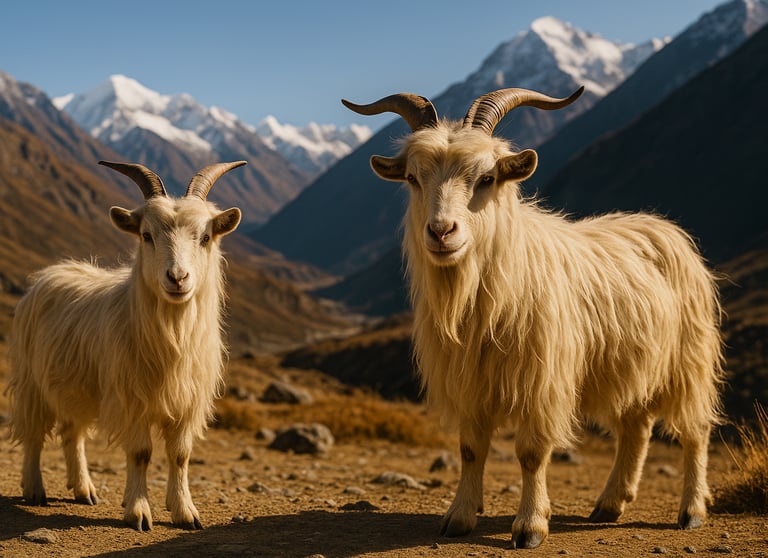
Every authentic pashmina begins high in the Himalayas — where Chyangra goats live at freezing altitudes of over 4,000 meters.
These rare goats grow an ultra-fine undercoat to survive the cold. Each animal produces only about 150–200 grams of usable fiber per year — barely enough for one shawl.
The rarity of the raw material alone makes it one of the most precious fibers in the world.
2. Harvested with Care, Not Shears
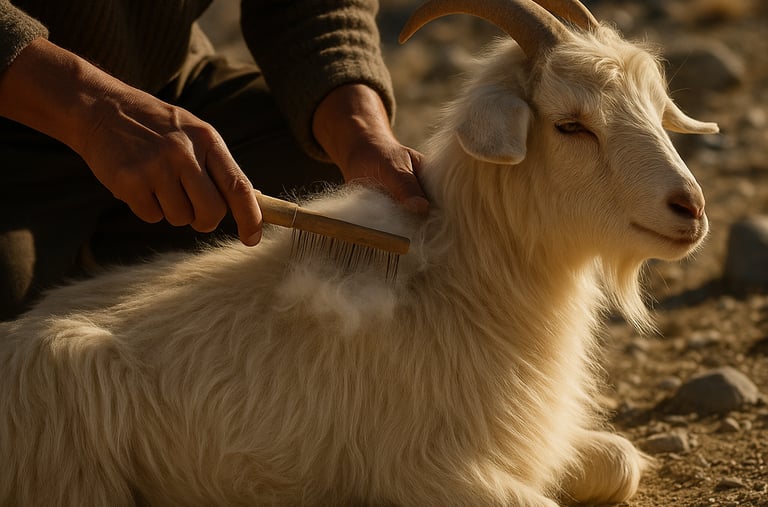
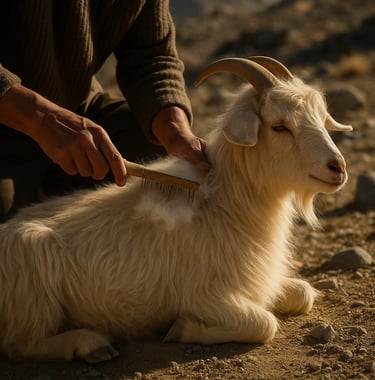
Unlike machine-cut wool, pashmina is hand-combed during the spring molting season.
Artisans gently collect the fine fibers without harming the goats. This slow, ethical process preserves the softness and integrity of each strand — a key reason for its high price.
3. Spun and Woven Entirely by Hand
True pashmina is never machine-made.
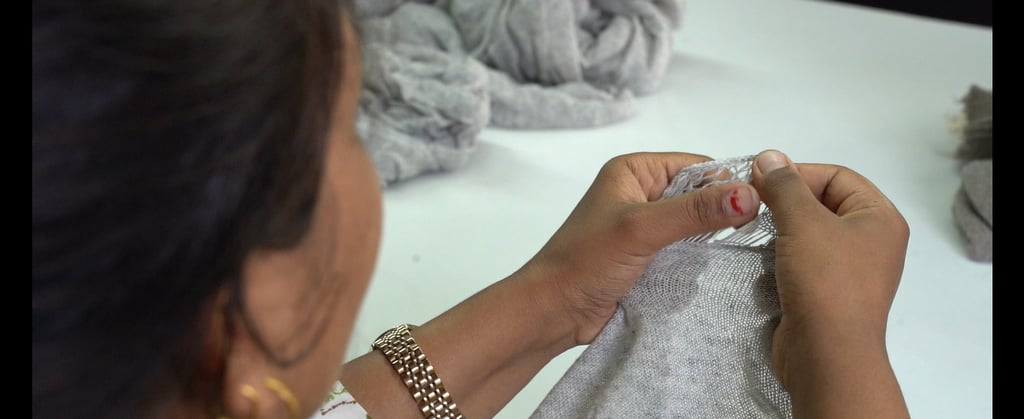
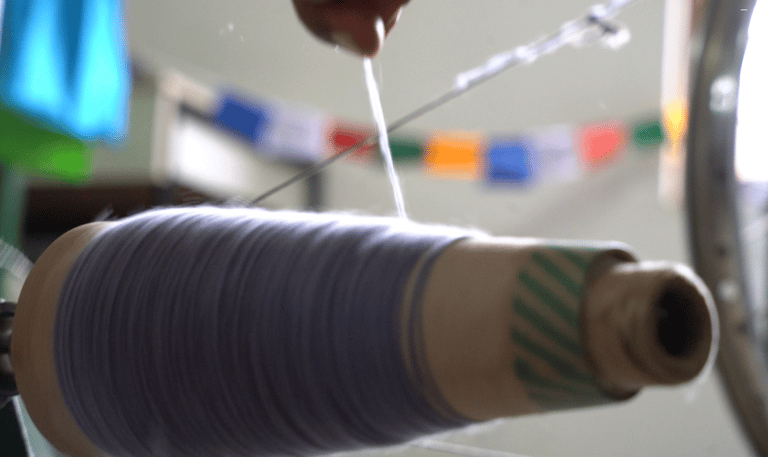
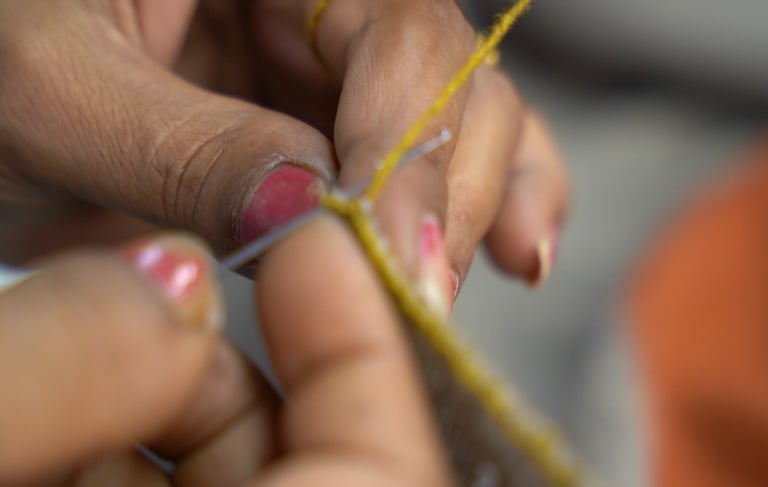
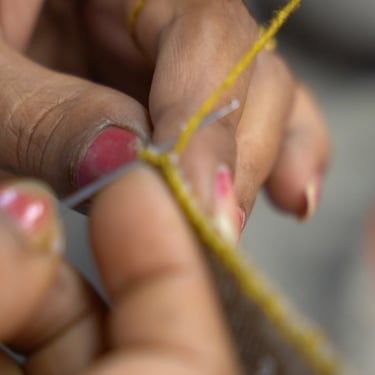
Every thread is hand-spun on traditional wooden charkhas, then woven on manual looms — a process that can take weeks for a single shawl.
This skill has been passed down through generations of Nepali women artisans, and each piece carries their fingerprint — literally.
You’re not paying for a brand name — you’re paying for hundreds of years of craftsmanship.

4. Natural, Uncompromised Quality
A genuine 100% pashmina scarf is free from synthetic blends, dyes with harsh chemicals, or industrial finishing.
This purity means the fiber retains its natural warmth, lightness, and buttery softness.
Unlike factory cashmere, real pashmina gets softer with age, not weaker.
5. Limited Production — Not Mass Manufacturing
Every color batch is hand-dyed in small quantities, every edge hand-fringed, and every shawl woven in limited numbers.
At Himalaya Pashmina, for example, only around 30 pieces per color are made — ensuring exclusivity, ethical pay for artisans, and zero overproduction.
6. A Lifetime Investment, Not a Seasonal Trend
While fast-fashion scarves may last one or two winters, a true pashmina can last decades when properly cared for.
It’s not just an accessory — it’s a piece of heritage, often passed down as an heirloom.
Owning one is like owning a story: the story of Himalayan mountains, hands that weave with patience, and a tradition that honors time.
7. The True Cost of Authenticity
AspectReal PashminaMachine CashmereSourceChyangra goats, 4,000m+ altitudeLowland cashmere goatsFiber thickness12–15 microns18–20 micronsProcess100% hand-wovenMachine-madeTime per piece2–4 weeksFew hoursProduction volumeLimitedMass-producedPrice range€150–€600€30–€100
8. Why €150 Is Actually Modest
Considering its scarcity, labor, and artistry, €150 is not expensive — it’s fair.
When you purchase a Himalaya Pashmina, you are supporting women artisans, sustaining traditional weaving, and owning a fabric rarer than gold.
A pashmina is not costly. It’s valuable.
9. Final Thought
Luxury today often means loud logos.
Pashmina is different — it whispers.
Its value lies in silence, warmth, and authenticity — not mass production.
When you wrap one around your shoulders, you don’t just wear comfort — you wear culture, craftsmanship, and quiet confidence.
Elegance
Timeless pashmina scarves for conscious living.
Contact
Sustainability
Himalaya Pashmina© 2025. All rights reserved.
Legal
info@himalayapashmina.de
Edisonstr. 56, 12459 Berlin-Oberschöneweide
+4917643486144
Bista Suresh ( Himalaya Pashmina)